
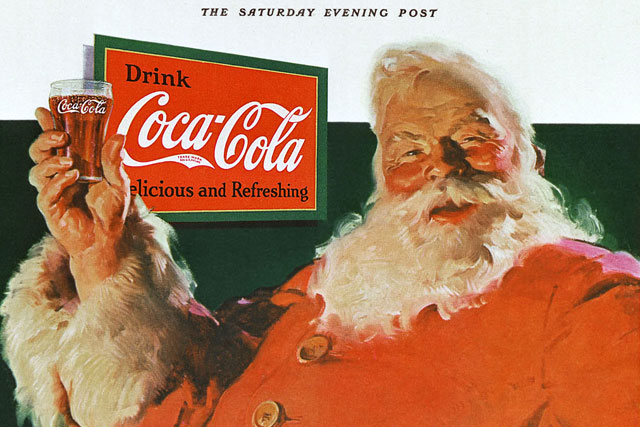

When you think of Santa Claus, what comes to mind? Likely a plump, merry man in a red suit, with a snowy white beard, laughing as he delivers gifts — or maybe sipping from a chilled bottle of Coca-Cola. That image is so iconic, it feels like it’s been around forever. But the truth is, the Santa Claus we all recognize today wasn’t born in folklore or religious tradition. He was brought to life by a brand — by Coca-Cola, to be specific.
Before Coca-Cola entered the picture, Santa’s image varied wildly. In different cultures, he appeared as a tall, gaunt man or a thin, solemn bishop. His outfits weren’t always red — sometimes green, blue, or brown. And more often than not, he was portrayed as mysterious and distant rather than warm and relatable. There was no universal face of Santa Claus. That changed in 1931, when Coca-Cola decided to create a festive holiday campaign that would reshape not just its brand perception — but global culture.

Coca-Cola’s challenge at the time was simple: how do you sell a cold beverage in the middle of winter? The answer? Tie it to the most joyful, emotion-filled season of the year — Christmas. So they approached an illustrator named Haddon Sundblom, and asked him to reimagine Santa Claus as someone more human and joyful. Sundblom turned to Clement Clarke Moore’s 1822 poem “A Visit from St. Nicholas” for inspiration — the one that begins ’Twas the night before Christmas…. From that poetic description, he created a warm, grandfatherly figure with a big belly, twinkling eyes, and rosy cheeks. And of course — a red suit trimmed with white fur.
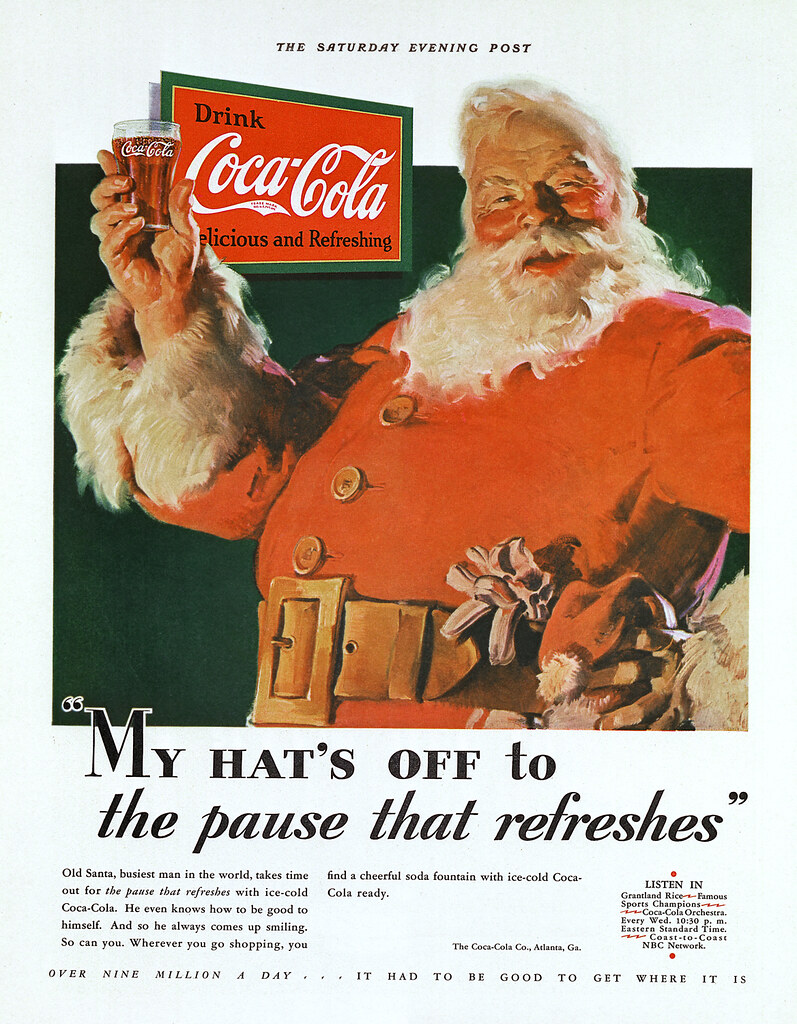
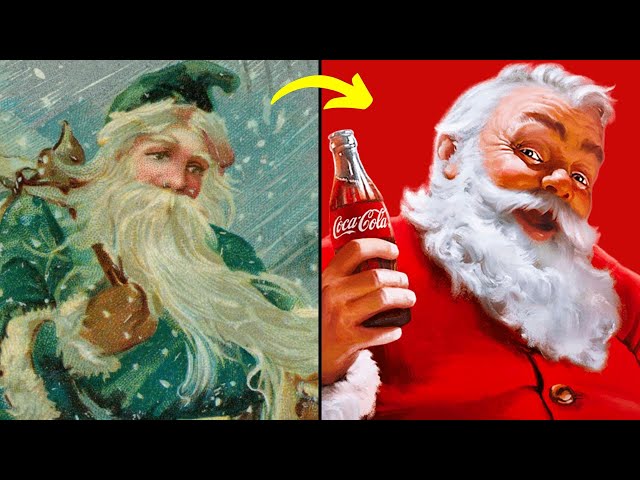
What made this campaign iconic:
• Visual consistency: The red and white suit mirrored Coca-Cola’s brand colors.
• Emotional connection: The warmth in Santa’s eyes made the brand feel personal.
• Yearly storytelling: New illustrations each Christmas built anticipation and nostalgia.
From 1931 through the 1960s, Sundblom’s Santa appeared in Coca-Cola’s annual holiday ads. Each year, he was seen doing something endearing — pulling gifts from his sack, sharing a Coke with kids, reading letters, or relaxing beside a glowing fireplace. These weren’t just ads — they were stories. They created tradition. They invited families to feel something, not just buy something.
What’s truly powerful is how deeply this image embedded itself into culture. Within just a couple of decades, Coca-Cola’s Santa became the Santa. His look started appearing in movies, wrapping paper, department stores, and Christmas cards across the globe. The brand hadn’t just launched a campaign — they’d shaped a cultural archetype.
Now, to be clear: Coca-Cola did not invent Santa Claus. Saint Nicholas existed long before soda. But Coca-Cola did create the version of Santa that the world came to know and love — one that was less about religious tradition and more about universal joy, kindness, and generosity.
Coca-Cola’s Santa campaign is one of the greatest examples of emotional branding in history. It wasn’t loud. It wasn’t aggressive. It didn’t push a product. It invited people into a feeling — one of togetherness, tradition, and warmth. And by doing so, the brand became more than a drink. It became part of how we celebrate Christmas.
 The Brandie
Leave a comment